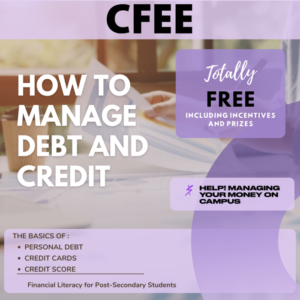
Welcome to the whimsical world of Debt advice, where we turn frowns into financial freedom and debt dilemmas into delightful decisions! If you’ve ever felt like your wallet is on a diet while your debts are throwing a party, you’re in the right place. Here, we’ll explore the many strategies, services, and solutions that will have you dancing around your financial hurdles like a pro.
From crafting a personalized debt repayment plan that’s as unique as your favorite pizza topping to discovering the magical realm of credit counseling services, we’re here to unravel the mysteries of managing your money and kicking debt to the curb. Buckle up, because it’s time to dive into strategies that make budgeting feel less like a chore and more like an adventure!
Debt Advice Strategies
When the tide of bills rises higher than your ability to float, fear not! It’s time to don your financial life jacket and navigate the choppy waters of debt with some nifty strategies. Whether you’ve accumulated a mountain of credit card debt or a small village of student loans, the right strategies can turn your financial ship around, making you the captain of your own budgetary destiny, complete with a parrot that screams “No more debt!”
Debt Management Strategies
There are several tried and true methods for managing and reducing debt. These strategies serve as your toolbox, offering various techniques to whittle down that pesky debt mountain, one boulder at a time.
- The Snowball Method: This technique entails paying off debts from the smallest to the largest. The thrill of knocking out smaller debts first gives you a psychological boost, like a financial game of whack-a-mole.
- The Avalanche Method: Focus on paying off debts with the highest interest rates first. This can save you money in the long run—think of it as cutting off the head of the interest monster before it grows too big.
- Consolidation: Combine multiple debts into a single loan with a lower interest rate. This can simplify your payments and reduce the overall interest you’ll pay, making it feel like sweeping your financial clutter into one tidy corner.
Creating a Personal Debt Repayment Plan
Crafting a personal debt repayment plan is akin to assembling a jigsaw puzzle—every piece counts, and when put together correctly, you get a beautiful picture of financial freedom. Here’s how to construct your masterpiece:List all debts, including the creditor, total amount owed, interest rate, and minimum monthly payment. This is your debt inventory; it’s like counting your candy before Halloween—you need to know what you’re up against.
- Determine your monthly budget. Calculate your income and expenses to see how much you can allocate to debt repayment. Use a budgeting tool or a good old-fashioned spreadsheet, or even a notebook if you’re feeling nostalgic.
- Choose a repayment strategy (see above) that suits your style—whether you prefer the excitement of the Snowball method or the strategic precision of the Avalanche method.
- Set specific goals and timelines. For instance, “I will pay off this credit card by June” is more motivating than simply saying “I want to get rid of my debt.”
- Track your progress. Celebrate small victories as you pay off each debt. It’s like throwing a mini-party every time you hit a milestone—who doesn’t love confetti?
“If you think budgeting is boring, try living without one. It’s like trying to surf without a board—totally gnarly.”
The Role of Budgeting in Effective Debt Management
Budgeting is the backbone of successful debt management. It’s not just about crunching numbers; it’s about understanding your financial landscape and making conscious spending choices. A well-constructed budget does the following:
Identifies income sources
Knowing how much money flows into your accounts each month is crucial. It’s like knowing how many fish you have in your pond when planning for dinner.
Monitors spending
Keep a record of your expenses to identify areas where you might be overspending. You might find that your daily coffee run is costing you more than your Netflix subscription—yikes!
Allocates funds for debt repayment
Set aside a specific portion of your income for paying off debts. This is your financial commitment, like a monthly subscription to becoming debt-free.
Allows for adjustments
Life happens, and budgets can be flexible. If you have unexpected expenses, adjust your budget rather than abandon it. Think of it as changing course while navigating through a storm—keep that ship upright!
Credit Counseling Services
Credit counseling services are like the friendly life jackets in the turbulent sea of debt management, designed to help consumers navigate their financial woes without sinking. These services provide guidance, resources, and solutions for those looking to regain control of their financial destinies. But before you jump into the pool of credit counseling, let’s explore the different types available, how to select a trustworthy agency, and the pros and cons of seeking this kind of help.
Types of Credit Counseling Services
Credit counseling comes in various flavors, much like ice cream. Each type serves a unique purpose in the quest for financial stability. Here are some of the most common types:
- Telephone Counseling: This type involves speaking with a counselor over the phone, providing a convenient option for those who prefer a quick chat rather than a lengthy meeting.
- In-Person Counseling: For those who prefer the human touch, this type involves face-to-face meetings with a counselor, ideal for discussing personal financial issues in depth.
- Online Counseling: Perfect for the tech-savvy, this option allows clients to receive counseling through video calls or chat services, combining flexibility with convenience.
- Debt Management Plans (DMPs): These structured plans help consumers repay their debts through monthly payments, often with lower interest rates negotiated by the credit counselor.
Choosing a Reputable Credit Counseling Agency
Selecting a credit counseling agency is akin to picking a partner for a three-legged race—you need someone you can trust. Here are key factors to consider when searching for a reliable agency:
- Accreditation: Look for agencies accredited by a recognized organization, such as the National Foundation for Credit Counseling (NFCC) or the Financial Counseling Association of America (FCAA).
- Reviews and Reputation: Check online reviews and ask for recommendations from friends or family. A stellar reputation is worth its weight in gold.
- Transparency: A good agency should clearly explain their fees, services, and the counseling process without hidden agendas.
- Certifications: Ensure that the counselors are certified and trained in financial counseling and debt management.
Benefits and Drawbacks of Using Credit Counseling Services
While credit counseling services can feel like a safety net, it’s essential to understand both sides of the coin. Here’s a breakdown of the potential benefits and drawbacks:
- Benefits:
-
Personalized Guidance:
Each consumer receives tailored advice based on their financial situation.
-
Improved Financial Literacy:
Clients often leave with a better understanding of budgeting and financial planning.
-
Negotiated Rates:
Credit counselors may negotiate lower interest rates or payments with creditors, easing the burden.
-
- Drawbacks:
-
Potential Fees:
Some agencies charge fees for their services, which can add to financial stress if not carefully considered.
-
Time Commitment:
Engaging in counseling and following through with plans may require a significant time investment.
-
Not a Quick Fix:
Credit counseling typically involves a long-term commitment to managing debt effectively.
-
Debt Relief Options
When the waves of debt start crashing down like a rogue wave at a beach party, consumers often find themselves clutching their wallets in despair. But fear not! There are lifebuoys in the form of debt relief options that can help keep you afloat. Let’s dive into the various alternatives available for those wrestling with debts, and explore how they can help you reclaim your financial freedom without losing your sense of humor.Debt relief options are designed to assist consumers in managing and reducing their debt burden.
These range from formal programs like debt consolidation and debt management plans to informal methods such as negotiation with creditors. Each option has its unique benefits and drawbacks, shaped by factors like your financial situation, type of debt, and personal preferences. It’s essential to navigate these waters with caution, as the right choice can steer you toward calmer seas, while the wrong one might leave you stranded on the shores of bad credit.
Debt Consolidation vs. Debt Management Plans
Debt consolidation and debt management plans are two popular strategies that can help consumers simplify their financial lives, but they sail in different boats. Understanding the nuances between these two options can make a world of difference.Debt consolidation involves taking out a single loan to pay off multiple debts, effectively merging them into one. This option often comes with a lower interest rate, making it a cost-effective choice for many.
Picture it as gathering all your scattered seashells into one beautiful, organized treasure chest. For instance, if you have three credit cards with varying rates, you could consolidate them into a single personal loan with a lower rate, making your monthly payments smaller and easier to manage.On the other hand, a debt management plan is a service typically provided by credit counseling agencies.
Think of it as hiring a personal trainer for your finances. They’ll negotiate with your creditors to lower your interest rates and create a structured repayment plan tailored to your budget. This allows for smaller, more manageable payments over a fixed period while aiming to get you back on track financially. While it may take longer to reduce your debt, the expert guidance can be invaluable, especially for individuals feeling overwhelmed.To sum it all up, the choice between debt consolidation and a debt management plan boils down to your specific situation and how hands-on you want to be with your financial recovery.
Frequently Asked Questions About Debt Relief Options
Navigating the world of debt relief can raise numerous questions, especially when you’re just trying to keep your head above water. Here are some common inquiries regarding the debt relief processes and solutions, clarifying the fog for those seeking financial clarity.
- What are the key differences between debt consolidation and debt management plans? Debt consolidation combines multiple debts into one loan, often with lower interest, while a debt management plan is a structured repayment program negotiated by credit counseling services.
- Will debt relief options affect my credit score? Yes, some options like debt consolidation can initially lower your score due to the credit inquiry, but over time, responsible management can improve it. Debt management plans can have a more immediate impact on your score.
- Are there fees associated with debt management plans? Yes, credit counseling agencies may charge fees for their services, but these are typically lower than the interest rates on your debts.
- Can I negotiate my debts on my own? Absolutely! Many consumers successfully negotiate with creditors without professional help. Just remember to stay calm and collected—creditors are more likely to respond positively to a friendly chat than a tirade!
- How long do debt relief processes typically take? This can vary widely; debt consolidation might close in a few months, while a debt management plan can take three to five years to complete, depending on the total debt amount.
Choosing the right debt relief option is like picking the perfect flotation device; the wrong choice could leave you struggling while the right one keeps you buoyant and on course!
Epilogue

So there you have it, folks! With these Debt advice strategies and insights up your sleeve, you’re now armed and ready to tackle your financial future. Whether you choose to consolidate, consult, or craft a cunning plan, remember that each step towards managing your debt is a step towards reclaiming your joy and financial swagger. So go ahead, strut your stuff, and show those debts who’s boss!
Frequently Asked Questions
What is debt consolidation?
Debt consolidation is when you combine multiple debts into a single loan, usually with a lower interest rate to make repayment easier.
How do I know if I need credit counseling?
If you’re feeling overwhelmed by debt, missing payments, or just need a financial strategy, credit counseling may be a good fit for you.
Are debt relief companies legit?
Yes, but it’s important to research and choose a reputable company; look for reviews and check their credentials before signing anything!
Can I negotiate my debt on my own?
Absolutely! Many creditors are willing to negotiate, but having a plan and knowing your options can enhance your chances of success.
How long does debt relief take?
It varies widely depending on your debt amount, chosen strategy, and commitment level, but typically it can range from a few months to several years.