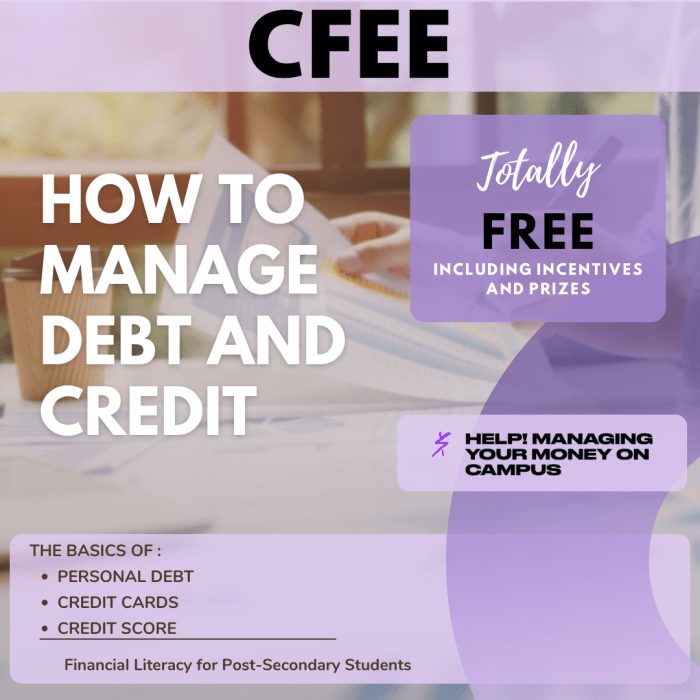
Manage credit debt is like juggling flaming swords while riding a unicycle—intimidating but entirely possible with the right balance and a sprinkle of courage! Credit debt might feel like that uninvited guest who refuses to leave, but fret not! With a bit of strategy, budgeting, and maybe some magic dust (or just good old-fashioned discipline), you can get your finances back on track.
Effective management of credit debt is essential not just for maintaining your financial health but also for securing your peace of mind. Various strategies, from diligent budgeting to savvy debt reduction techniques, can help you tame the beast that is credit debt and turn it into a manageable pet instead!
Manage Credit Debt
Managing credit debt might feel like trying to tame a wild beast armed with only a feather duster. However, taking charge of your debt situation is crucial for maintaining financial health and avoiding the stress that comes with overdue bills. By effectively managing credit debt, you pave the way for a brighter financial future, where your money works for you instead of the other way around.
Importance of Effective Debt Management
Effective credit debt management can be the difference between a life of financial freedom and a never-ending cycle of payments. High-interest rates and increasing balances can quickly spiral out of control. Not only does managing your debt improve your credit score, but it also reduces stress and allows for better future financial opportunities, such as loans with favorable terms. Consider this:
“Debt is like a snowball rolling downhill; manage it wisely, or it’ll take you with it!”
Strategies for Debt Reduction and Management
Tackling credit debt requires a well-thought-out strategy. Here are several effective methods to consider, each with its own flair:
- The Snowball Method: Focus on paying off the smallest debts first while making minimum payments on larger ones. Celebrate small victories, and let momentum build!
- The Avalanche Method: Prioritize debts with the highest interest rates. This method can save you money in the long run, as you reduce the total interest paid.
- Debt Consolidation: Combine multiple debts into a single loan with a lower interest rate. Think of it as gathering all your chickens into one cozy coop for easier feeding.
- Negotiation: Contact creditors to negotiate lower interest rates or payment plans. Sometimes a simple chat can yield big results!
Tips for Budgeting Credit Debt Payments
To keep your credit debt in check, a solid budgeting plan is essential. Here are some savvy tips to help you budget effectively for those pesky payments:
- Track Your Spending: Understanding where your money goes each month can help identify areas to cut back and free up cash for debt payments. Consider a budget app or a trusty spreadsheet, just like our grandparents used (minus the typewriter).
- Set Up a Realistic Payment Plan: Allocate a specific portion of your income each month for debt repayment. This should be a non-negotiable item on your budget, much like your rent or groceries.
- Emergency Fund: Build a small emergency fund to avoid using credit cards for unexpected expenses. A little cushion can keep you from slipping back into debt!
- Review and Adjust Monthly: Reassess your budget regularly. Financial situations change, and your budget should be as adaptable as a chameleon on a rainbow!
Debt Consolidation and Management
Debt can feel like a persistent guest who just won’t take the hint and leave. Instead of glaring at your overflowing credit card statements and feeling overwhelmed, exploring debt consolidation and management options can be your ticket to financial freedom. Picture this as swapping that old, squeaky bicycle for a shiny new motorcycle that zooms you towards your goal of a debt-free life.Debt consolidation is like putting all your bills into a blender and creating a smoothie – it sounds messy, but once it’s done, you have something manageable and much easier to swallow.
This process involves combining multiple debts into a single loan with a potentially lower interest rate. Not only does it simplify your monthly payments, but it can also save you money in the long run.
Benefits of Debt Consolidation
The benefits of consolidating your debts are as refreshing as a cold drink on a hot day. Here’s a closer look at what you stand to gain:
- Simplified Payments: Instead of juggling five different bills, you’ll only need to worry about one, making it easier to stay organized.
- Lower Interest Rates: Consolidation often comes with lower rates, meaning more money stays in your pocket rather than flying into the abyss of interest charges.
- Improved Credit Score: By reducing your overall credit utilization and making consistent payments, you can boost your credit score over time.
- Stress Reduction: Fewer payments mean less stress – and who doesn’t want that? It’s like decluttering your mind!
Debt management programs can also provide a structured way to tackle your debts. They typically involve working with credit counseling agencies that help create a plan tailored to your financial situation. These plans often include negotiating lower interest rates and more manageable payment terms with creditors.
Comparison of Debt Management Programs
When it comes to debt management programs, selecting the right one is crucial. They vary in structure and effectiveness. Below is a comparison to guide your choice:
- Credit Counseling Services: These services provide you with a financial counselor who creates a personalized plan. Costs may vary, but they often work on a sliding scale.
- Debt Management Plans (DMPs): With DMPs, the counselor negotiates on your behalf, consolidating your debts into one monthly payment. You may have to pay a fee, but usually, it’s worth it for the peace of mind.
- Debt Settlement Programs: Involves negotiating with creditors to settle debts for less than what you owe. This approach can be risky and may negatively impact your credit score.
- Bankruptcy: As a last resort, bankruptcy can wipe the slate clean, but it comes with long-term consequences. It’s not a fun trip to take, like a vacation gone awry.
Negotiating with Creditors for Better Terms
Negotiating with creditors might sound daunting, but it’s easier than convincing a cat to take a bath. Here are some methods to enhance your negotiating power:
- Do Your Research: Know your debts and the terms. Understanding your credit situation gives you leverage when discussing with creditors.
- Be Polite but Firm: Approach creditors with a positive attitude. A friendly conversation can go a long way in getting favorable terms.
- Present Your Case: Explain your financial situation honestly. If you’re facing temporary hardships, let them know. They may offer hardship plans or lower rates.
- Offer a Lump Sum Payment: If possible, offering a lump sum can be enticing to creditors, as it guarantees immediate payment.
“The best negotiators are not those who talk the most, but those who listen well and know when to offer a smile.”
By understanding the process of debt consolidation, comparing management programs, and mastering the art of negotiation, you can take control of your financial narrative and steer yourself toward a debt-free tomorrow. So grab that motorcycle and rev up your journey to financial wellness!
Credit Counseling and Tips

Navigating the world of credit can feel like trying to find your way out of a labyrinth, with debt monsters lurking around every corner. Fear not, brave financial warrior! Credit counseling services are here to light the way, providing guidance and tips to keep your credit score shining brighter than a supernova.Credit counselors are like your personal financial trainers, but instead of helping you lift weights, they’re here to lift the weight of your debt.
These professionals assess your financial situation, develop a personalized plan to tackle your debts, and help you avoid the pitfalls of credit mismanagement. Let’s take a closer look at some reputable credit counseling services that can help you get back on track.
Reputable Credit Counseling Services
Finding the right credit counseling service is crucial, as you want a partner in your financial fitness journey that you can trust. Here are some reputable options to consider:
- NCCS (National Foundation for Credit Counseling): A nonprofit organization that provides various services, including budget counseling and debt management plans.
- Credit.org: Offers free credit counseling and education, helping individuals understand their credit reports and improve their scores.
- GreenPath Financial Wellness: A nationwide nonprofit that provides financial counseling, debt management, and educational resources.
- Money Management International (MMI): Offers free financial education workshops and credit counseling to help consumers make informed decisions.
Engaging with these services can help you navigate the tricky waters of debt, ensuring that you don’t end up swimming with the sharks.
Role of Credit Counselors in Managing Debt
Credit counselors play a pivotal role in transforming your financial landscape from a chaotic jungle into a well-organized garden. Their services typically include:
- Assessment of Financial Situation: They conduct thorough evaluations of your income, expenses, and debts to craft a tailored plan.
- Debt Management Plans (DMP): Counselors can negotiate with creditors on your behalf to lower interest rates and monthly payments, making your debts more manageable.
- Budgeting Assistance: They equip you with budgeting tools and strategies to help you live within your means and prioritize your financial goals.
- Education and Resources: Credit counselors provide valuable educational materials to enhance your understanding of credit, helping you make informed decisions.
By harnessing the expertise of credit counselors, you can reclaim control over your financial life and steer clear of troublesome debt traps.
Key Credit Tips for Maintaining a Healthy Credit Score
A healthy credit score is like a golden ticket to financial freedom, opening doors to loans, credit cards, and better interest rates. Here are some key tips to help you keep that score shining like a diamond:
- Pay Your Bills on Time: Late payments can ding your credit score faster than a raccoon in a trash can.
- Keep Credit Utilization Low: Aim to use less than 30% of your available credit; this shows lenders you’re not living on the edge.
- Check Your Credit Report Regularly: Spotting errors early can save you from unnecessary headaches. It’s like checking your reflection before heading out!
- Avoid Opening Too Many New Accounts at Once: Each new application can knock your score down a peg, so pace yourself like a tortoise in a race.
By following these tips, you’ll be well on your way to maintaining a credit score that would make even the most seasoned financial guru proud!
Final Thoughts
In conclusion, managing credit debt might seem like climbing Everest, but with the right tips and tricks, you can reach the summit without losing your breath—or your wallet! Whether it’s through consolidation, negotiation, or just a good ol’ chat with a credit counselor, the path to financial freedom is paved with knowledge and a pinch of humor. So, put on your financial hiking boots, and let’s conquer that debt!
FAQ Summary
What is credit debt management?
Credit debt management refers to the strategies and practices used to reduce and control debt levels, ensuring you stay financially healthy.
How can I reduce my credit card debt quickly?
To reduce credit card debt quickly, consider the avalanche or snowball methods, create a strict budget, and cut unnecessary expenses.
Is debt consolidation a good idea?
Debt consolidation can be a good idea if it lowers your interest rate and makes monthly payments more manageable.
What role do credit counselors play?
Credit counselors provide guidance on managing debt, budgeting, and can also help negotiate with creditors on your behalf.
Can I negotiate my credit card debt?
Yes, many credit card companies are open to negotiation, especially if you have a solid case explaining your financial situation.


